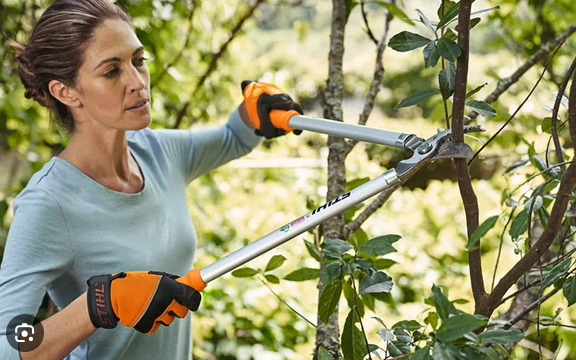
As summer fades and we move into April and May, many fruit trees around Tauranga and the wider Bay of Plenty have finished producing. This makes autumn the ideal time to prune, helping your trees stay healthy, productive and easy to manage heading into winter.
At STIHL Shop Mt Maunganui, we see a big spike in customers looking for the right pruning tools at this time of year—and for good reason.
Once fruiting has finished, trees begin to slow their growth. Pruning at this stage helps to:
• Remove dead, damaged or diseased branches
• Improve airflow and sunlight through the canopy
• Shape the tree for better fruit production next season
• Prevent overcrowding and excessive height
For many common NZ backyard trees (apple, pear, plum), light to moderate autumn pruning is ideal, while heavier pruning is often best left until winter.
In New Zealand, the sweet spot is typically:
April to early June (after fruiting, before deep winter dormancy)
Avoid pruning:
• During active fruiting
• Right before frost-heavy periods
• In wet conditions (reduces risk of disease spread)
1. Start with dead or damaged wood
Remove any branches that are:
• Broken
• Diseased
• Rubbing against others
This is always the first priority.
2. Thin out crowded areas
If branches are tightly packed:
• Remove some to improve light and airflow
• Aim for an open, balanced structure
3. Cut back excessive growth
Trim long, vertical shoots (often called “water shoots”) to:
• Keep the tree manageable
• Redirect energy into fruit production
4. Shape the tree
Maintain a structure that:
• Allows sunlight into the centre
• Keeps fruit within easy reach
• The Best Tools for Fruit Tree Pruning
Using the right tool makes pruning easier, safer and more precise.
Perfect for:
• Fine pruning
• Small branches and stems
STIHL secateurs are lightweight and ergonomically designed, making repetitive cutting tasks far more comfortable—especially for overhead work.
Ideal for:
• Medium-sized branches
• Harder-to-reach areas
STIHL loppers are strong yet lightweight, designed for both arborist work and general garden maintenance. They give you extra leverage without excessive effort.
Best for:
• Thick branches that secateurs or loppers can’t handle
With durable steel construction and an adjustable blade guide, STIHL pruning saws are built for smooth, controlled cutting with minimal effort.
• Cutting too much at once (can stress the tree)
• Leaving jagged cuts instead of clean ones
• Pruning at the wrong time of year
• Using blunt or incorrect tools
A clean, well-placed cut heals faster and reduces the risk of disease.
Pruning your fruit trees after harvest is one of the most effective ways to improve next season’s growth and fruit quality. With the right timing, technique and tools, it’s a straightforward job that delivers long-term benefits.
If you’re preparing your garden for autumn, investing in quality hand tools from STIHL Shop Mt Maunganui will make the job faster, easier and more enjoyable.
Whether you’re maintaining a single backyard tree or managing a larger garden, the right approach now sets you up for a healthier, more productive season ahead.